NÓSTOS
NÓSTOS
Returning is never simply a matter of coming back. Those who believe that the journey home is merely the mirror image of departure have yet to grasp the deeper movement that governs human existence. Odysseus knew this—or rather, he learned it the hard way: Ithaca was never a geographical destination, but a question that reshaped itself with every missed landing, every deception of the sea and the gods.
Nóstos, the homecoming sung by Homer, is not the closing of a circle. It is the revelation that the circle never truly closes; that every return transforms both the one who comes back and the place that receives them. To return is to confront who we were when we left with who we have become, to measure the memory we carried of a place against the place that reveals itself to us once again: subtly changed, subtly more unfamiliar, like the face of someone dear seen again after many years.
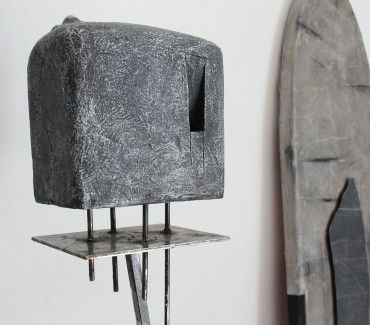
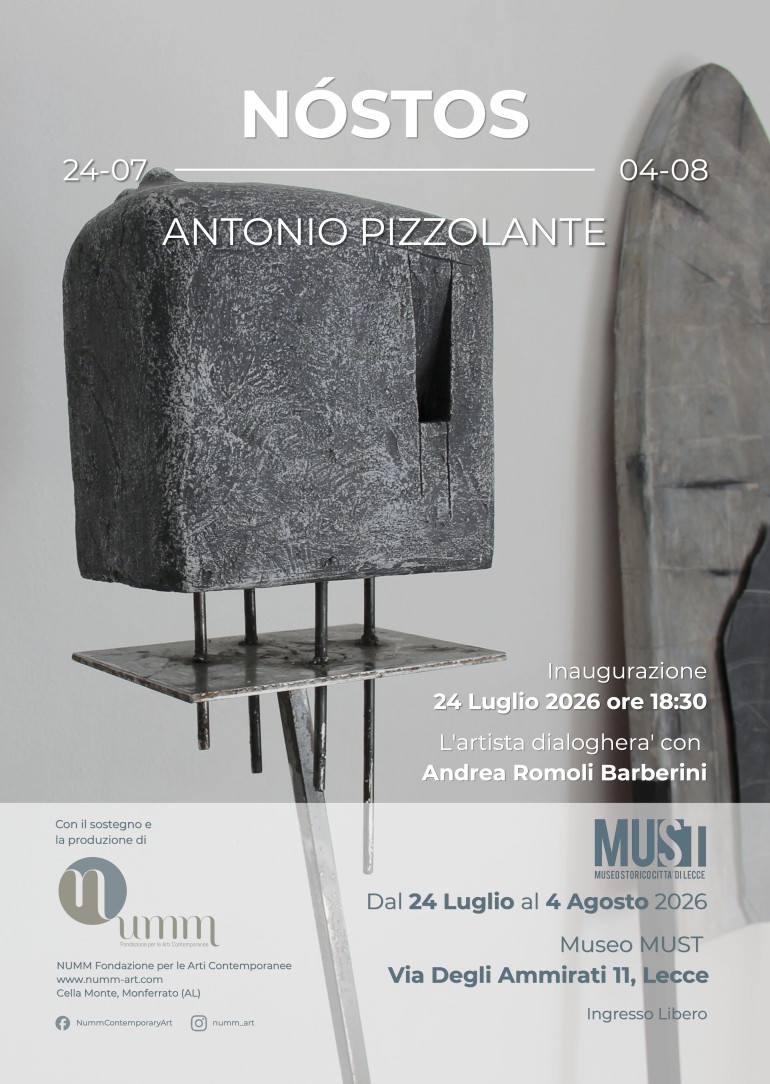
In his Nóstos, Antonio Pizzolante seeks the living balance of forms, shaped through different materials and methods, capable of transforming space through a fertile tension that inhabits and permeates it. It is an intimate relationship that changes its form as its substance changes, transforming us as it transforms everything around us.